
How We Slow Travel One Month at a Time
The rhythm, the structure, and the quiet freedom behind a life designed by seasons

We didn’t set out to become slow travelers.
We just wanted our days back.
One month abroad showed us a different way to live — slower, steadier, and more rooted in place.
In my early 50s, I stepped out of full-time work, kept a tiny home base in Houston, and decided to try a one-month stay abroad — just to see what it felt like.
Here’s what it felt like:
We stopped rushing.
We started noticing.
And somewhere between the grocery aisles and the long walks with no destination, we realized we were slowly building a life we didn’t need a vacation from.
The exact moment it clicked for me was in Dubrovnik — standing in a narrow grocery aisle, debating olive oil, suddenly feeling… calm.
Not rushed, not performing, not squeezing a life into the leftover space around obligations.
Just living.
That was the first time I understood something that changed everything:
Slow travel isn’t about seeing more of the world.
It’s about finally seeing yourself again.
And for us, that happened one ordinary moment at a time.
If you’re craving more rhythm, more belonging, more lightness in your days — here’s how one month at a time can gently remake a life.
1. What Slow Travel Actually Feels Like
The rhythm that shifts your whole body.
Slow travel isn’t about distance.
It’s about pace.
One place.
One month.
One season.
It feels like:
• walking the same street until someone finally nods
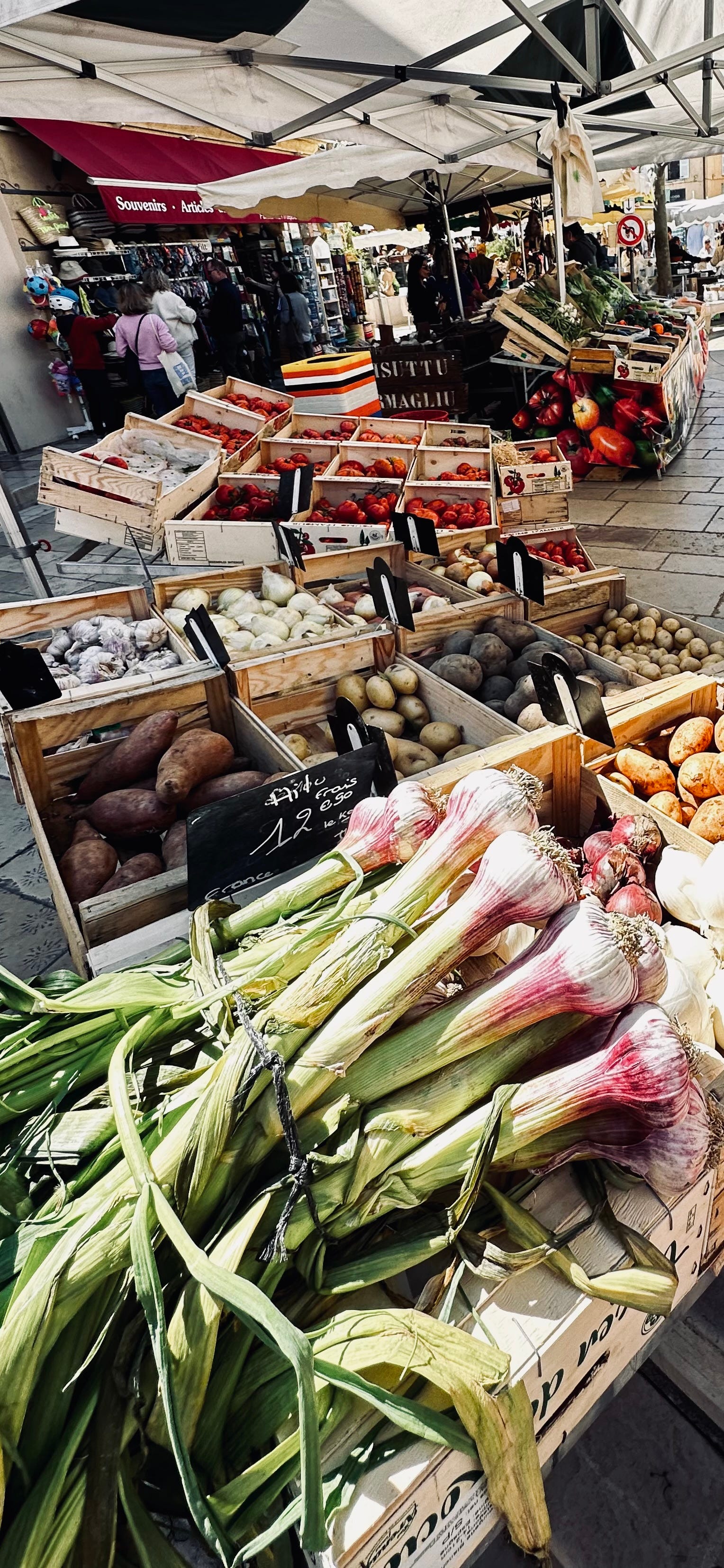
• learning the checkout flow at the market
• finding “your” café without trying
• realizing boredom is a feature, not a failure
• building a tiny life wherever you land — faster than you expected
But here’s the other truth:
This rhythm is exactly why being home feels strange right now.
We live on a 5–2 cycle — five months abroad, two months in Houston. After a year away, we came home for our “home base season,” and I’ve felt an energy dip I can’t quite explain. Not here, not there. Just… between.
Slow travel teaches belonging, but it also teaches how deeply place shapes how you feel — and how disorienting it can be when you step out of your rhythm.
2. How We Choose Where to Go
The question we always start with.
Every new season begins at our kitchen table with a map and one quiet question:
Where does it feel good to be right now?
We look for:
• shoulder seasons
• mild weather
• natural light
• walkability
• cost-of-living shifts
• local rhythm
• energy fit (quiet? lively? grounding? inspiring?)
People assume it’s luck.
Mostly, it’s paying attention — to timing, to place, and to the person you’re becoming.
3. Our One-Month Decision Compass
The filter that keeps everything grounded.
Before we book anything, we run the same gentle test:
Is it walkable?
Is it safe?
Is it friendly?
Is it affordable for a month?
Is the season right?
Is there enough to do… but not too much?
Does it give us energy?
If looking at it on a map makes us exhale — that’s the sign.
Slow travel isn’t a hunt for the “best place.”
It’s a conversation with your life about what fits right now.
4. What a Month Really Looks Like
How belonging sneaks up on you.
A month gives you time to:
• unpack
• learn the neighbor’s dog’s name
• find your grocery shortcuts
• sit on the same bench long enough to watch the light shift
• stop rushing through your own life
In Lecce, we woke to the sound of shops opening beneath our apartment — metal shutters rolling up, deliveries arriving, the hum of a neighborhood beginning its day.
In Dorset, we walked the same winding lane every afternoon.
In Lecce, Nigel unintentionally charmed half the cafés with his Big Duke Energy.
A month is the sweet spot: long enough for a life to form, short enough to stay curious.
And quietly, it stretches you.
5. The Systems Behind the Ease
Because magic needs a backbone.
What makes this lifestyle feel calm instead of chaotic:
• a seasonal calendar
• a simple monthly budget
• carry-on packing
• visa awareness
• intentional downtime
• designing days around what matters, not what impresses
But here’s the real shift:
We stopped designing around “someday.”
We started designing around “right now — and the next season.”
Slow travel gave us structure, but it also gave us permission to reinvent — one tiny decision at a time.
6. If You’re Considering Your First Month Abroad
You don’t need a sabbatical.
You don’t need a trust fund.
You don’t need to blow anything up.
You need a rhythm that matches your season of life — especially if you’re 40+, craving reinvention, or simply wanting a different way to feel human inside your days.
A month is an honest, gentle beginning.
Here’s where I explain how we design our year around seasons instead of destinations.
If you want the tools that support this rhythm
The Slow Travel Toolkit holds the exact frameworks we use to design our year — from choosing the right season to picking a first base to budgeting one month at a time.
I’m rolling it out for paid subscribers, piece by piece, alongside a new weekly paid post and a private chat where we talk through the questions that don’t always make it into the essays.
If you’re in a season of rethinking how you want your life to feel — slower, softer, more rooted in what matters — these tools are here whenever you want to explore.
No rush. No pressure. Just possibilities.
💛 Kelly
Thanks for confirming some things. I am at this point where 1 month somewhere is comfortable. And being "home" is more about what else can I get rid of? Things I don't need, gathering dust, things my children will not want or use. How much "stuff" do I really need that I can't get elsewhere? I LOVE making my own routes to the local coffee shops in new places that I can return to. Or a shop owner recognizing me. Being able to settle quietly in a library and actually getting work done. The travelers here in Substack are providing great insight, including you! I am always interested in the travel dynamics of a duo too. Thanks for sharing your wisdom!
I didn’t even know what “slow travel” meant until I met you, and now it’s all I want to do. The thing that happens on day 5 is so special, but the things on day 22 are a different variety. One has to experience it to know how amazing it can be.