
The Second Time Felt Better in a Way I Didn’t Expect
Why some experiences deepen instead of fading

Nigel was sixteen the first time he came to Bali.
The photos look exactly how you’d expect: sunburned shoulders, long hair, skinny teenage limbs, standing somewhere impossibly far from home looking half-curious and half-lost. Bali was rougher then, less translated, and so was he.
And somehow, even in those old photos, I can still see the same person.
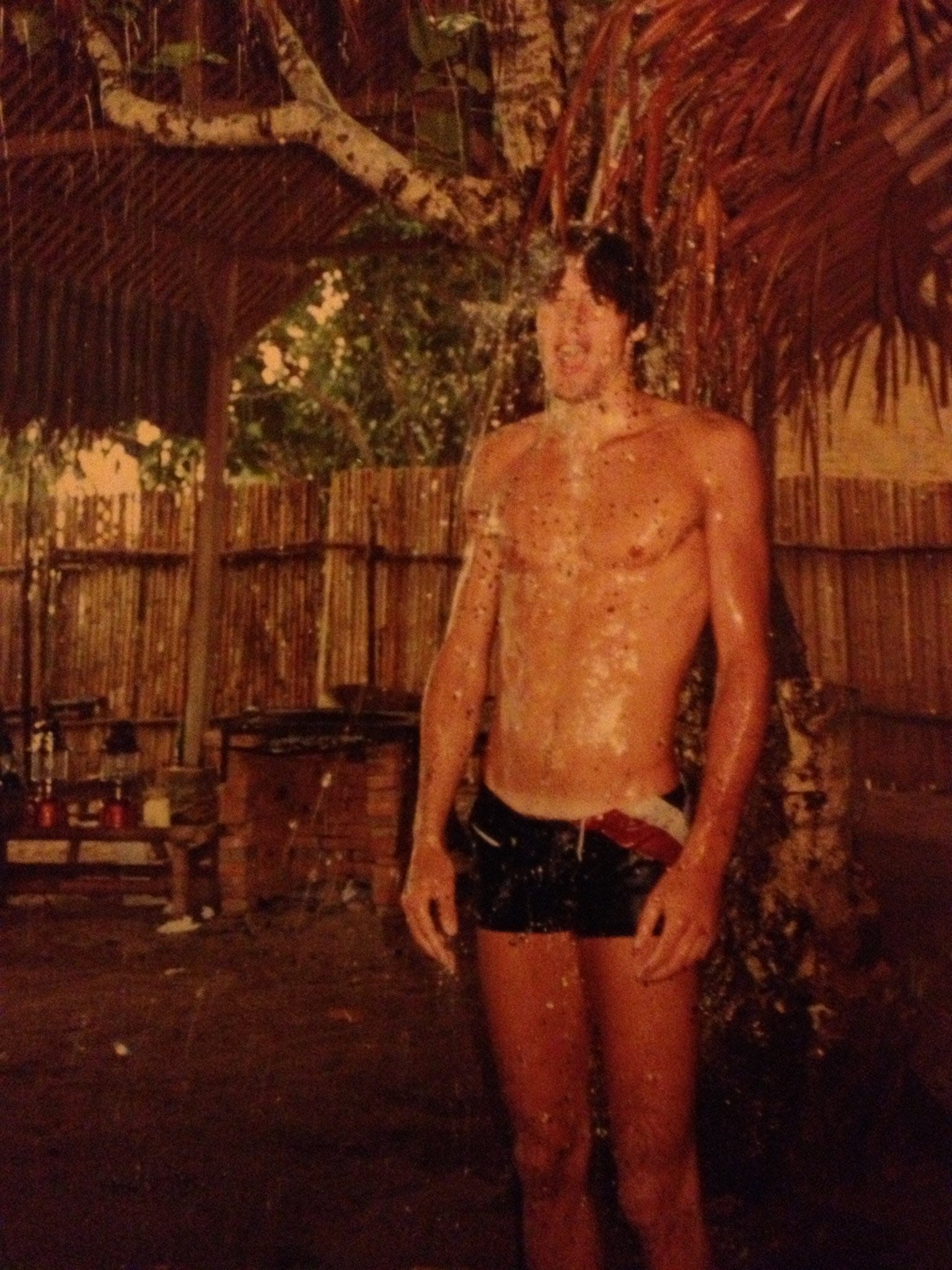
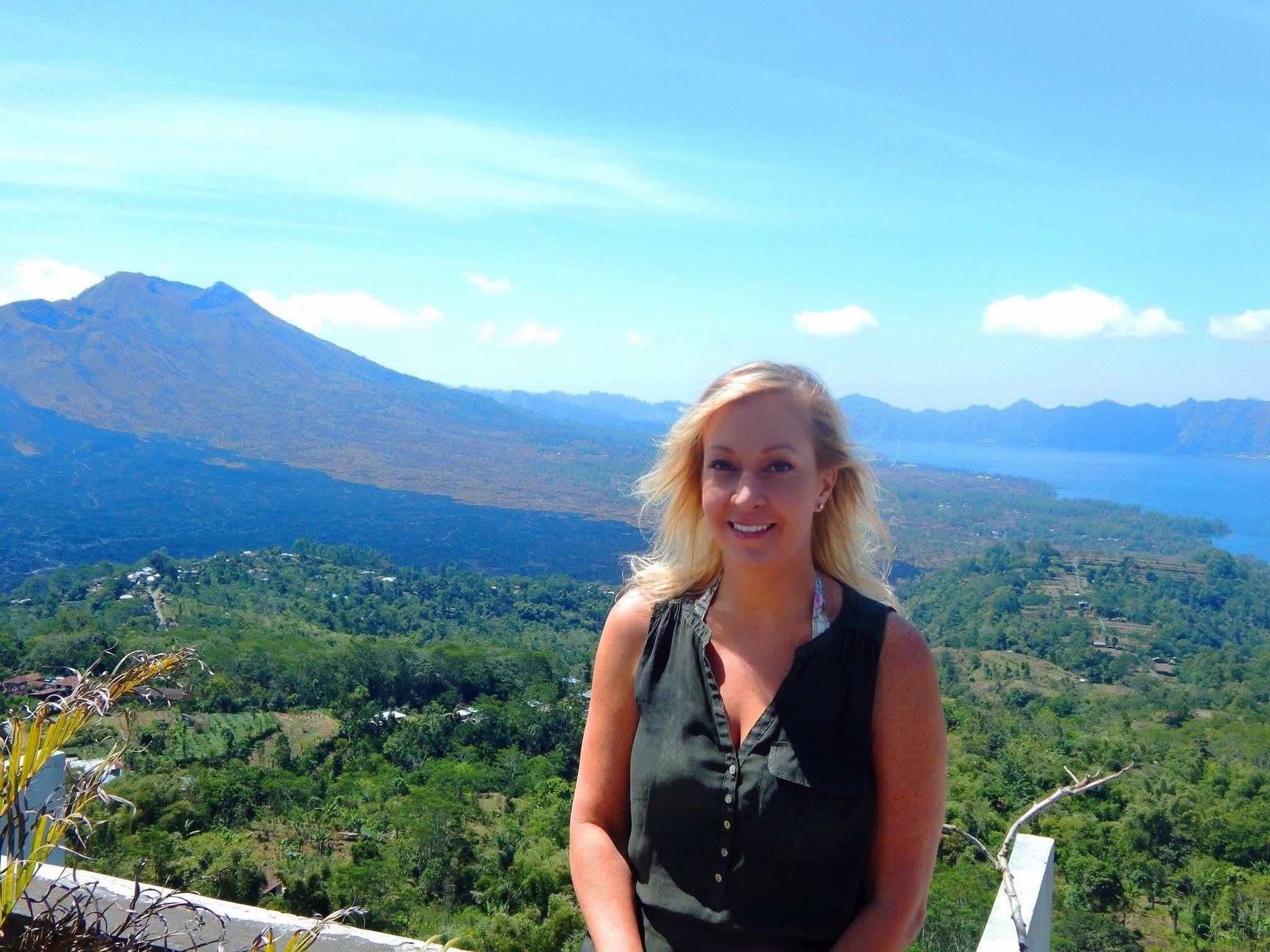
Ten years ago, I came here for the first time too. I look different in those photos now—more tightly held together somehow. At the time, I thought travel was mostly about seeing new things. I didn’t understand yet how much an experience depends on who you are when it happens.
That’s the part I’ve been thinking about lately—not whether places change, but whether we do.
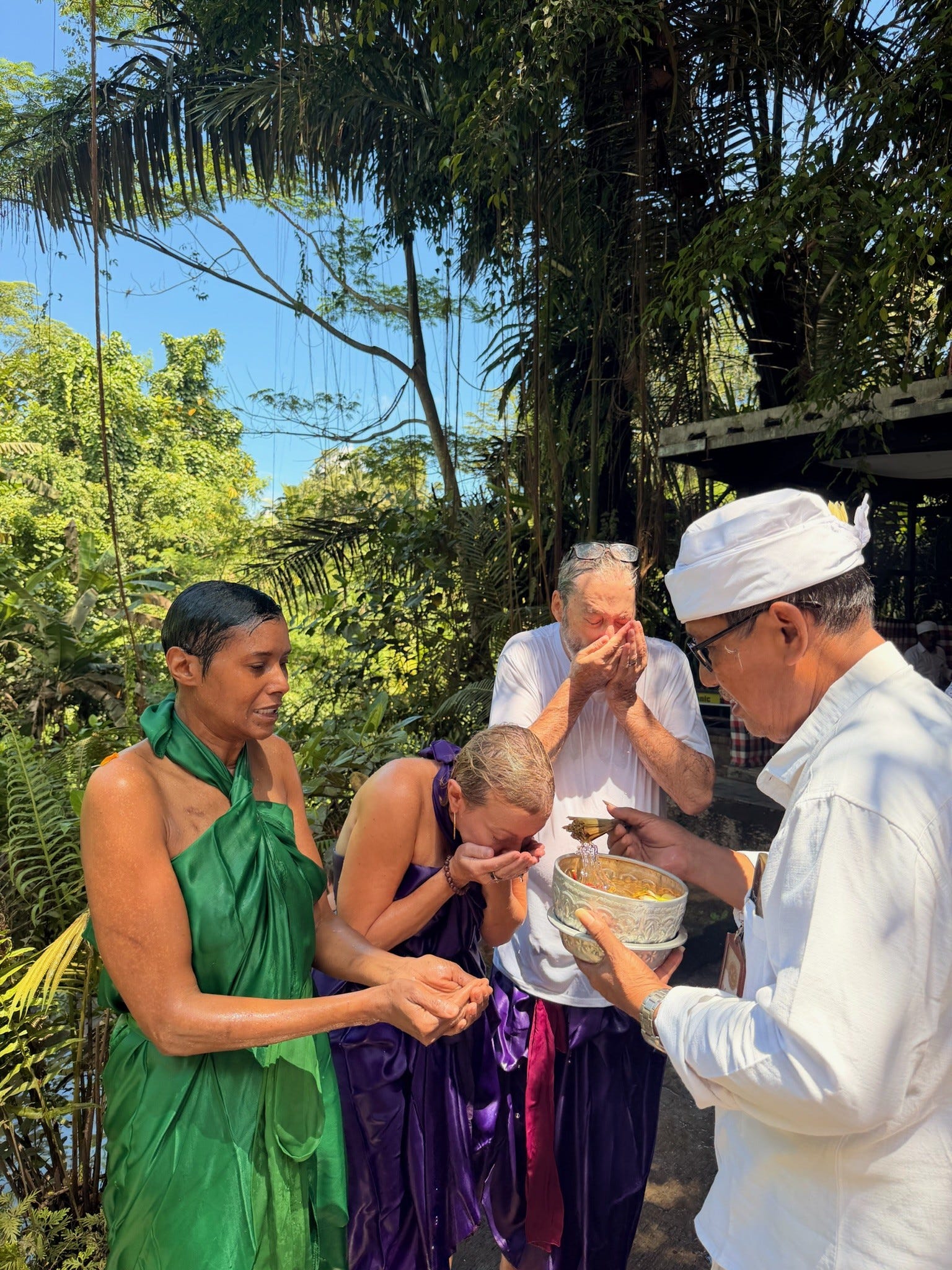
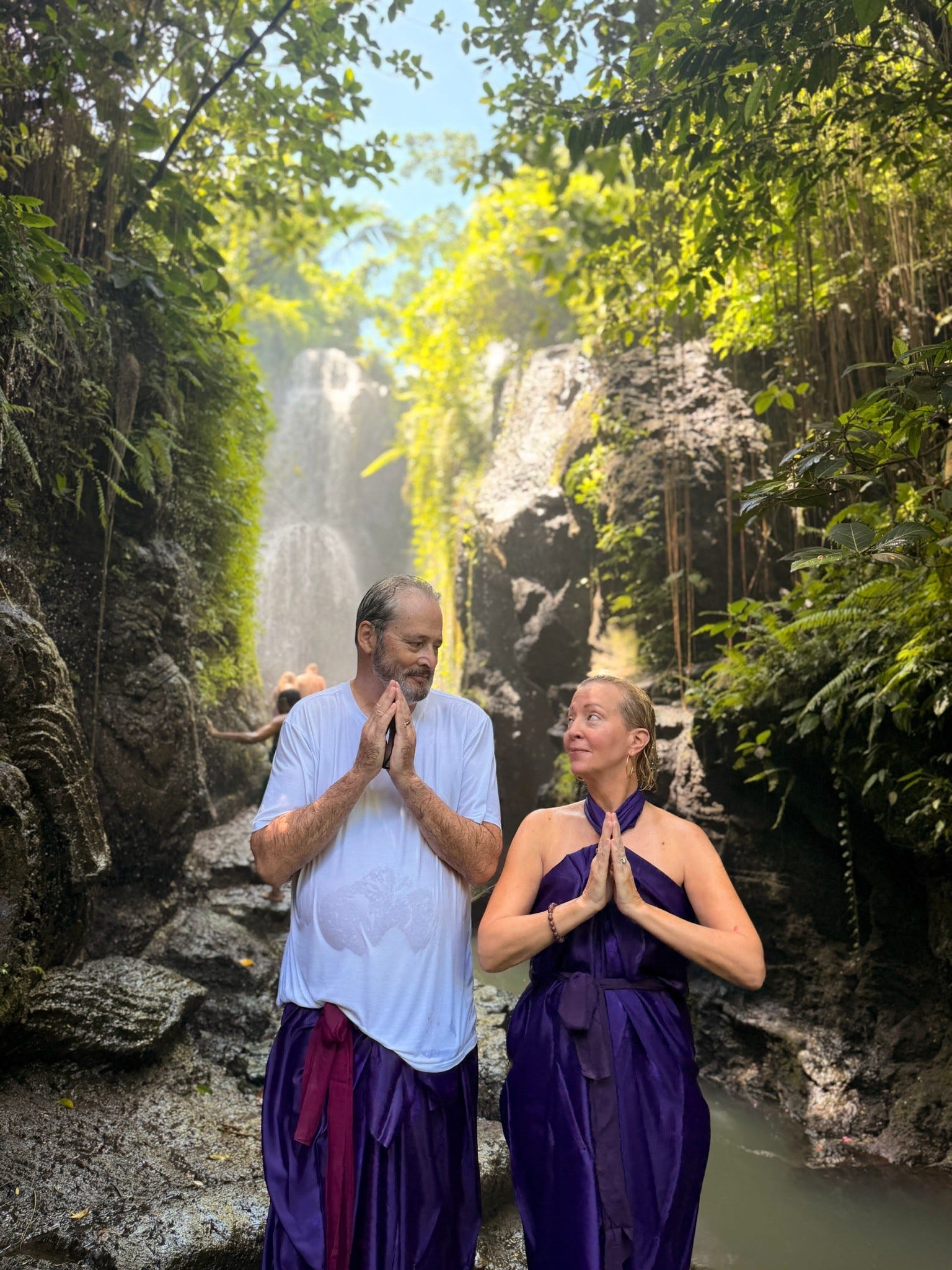
A few days ago, the three of us—Nigel, our friend Krystal, and I—went to the Melukat waterfall cleansing ceremony near Ubud. None of us really knew what to expect.
The first uncomfortable moment came almost immediately. We changed clothes, wrapped sarongs and scarves around our waists, and followed our guide barefoot down a wet stone path toward the water. Krystal and I are both germophobes, which made the entire thing feel slightly improbable from the start.
And then somehow, almost without noticing it, we stopped resisting it. Our guide handed each of us a basket filled with offerings and incense for the different stages of the ceremony. At each stop, he explained what it represented before asking us to close our eyes while he poured cold spring water over our heads three times.
That rhythm repeated throughout the experience: cold shock, silence, then movement again.
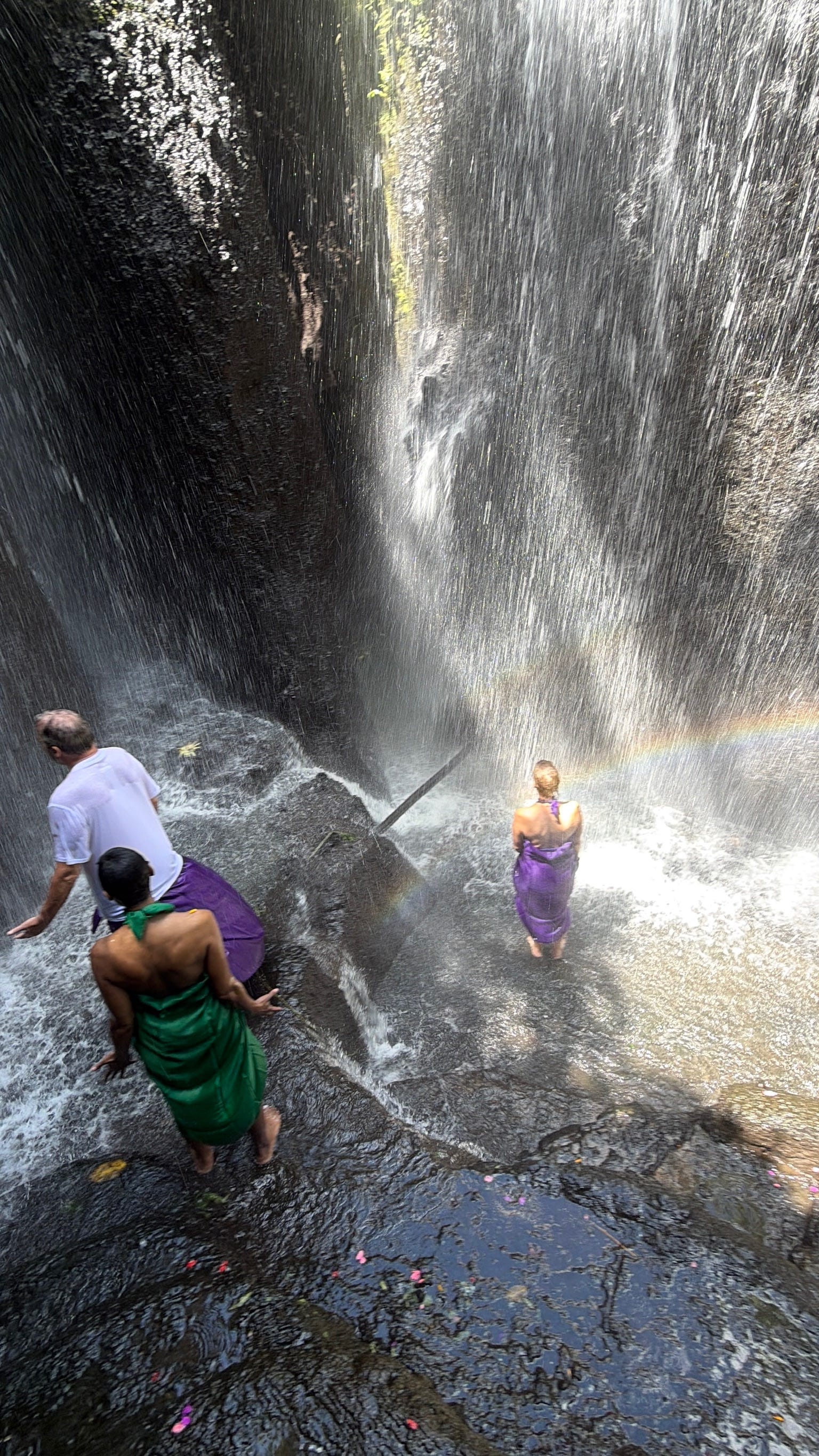
The deeper we moved into the ceremony, the less self-conscious everyone became. We passed through narrow spaces carved into the rock and stood beneath waterfalls strong enough to drown out thought completely. One represented releasing what you no longer wanted to carry. Another welcomed something new in.
At some point, all three of us started crying. Not dramatically, and not even all at once. Just quietly, like the experience had reached each of us through a different door.
Different histories, different fears, and different ideas about what we hoped the future might still hold.
And somehow, none of that separated us from the experience. It deepened it.
That was the part I didn’t expect.
Nigel had already been here decades ago. I’d already been here ten years earlier. None of this was technically our first time anymore.
And yet it felt deeper, not flatter.
Watching Nigel move through the ceremony was strange in a way I couldn’t fully explain at first. I could see the sixteen-year-old from the old photos. I could also see the man I met in Houston more than a decade ago—except now it felt obvious how much performance had been layered on top of him back then.
Corporate life. Masculinity. Competence. The city guy version of himself. Necessary things, probably. Real things too. But still, a kind of costume.
When I first met Nigel more than a decade ago, he wanted to wear a sarong out in public—in Texas. I was completely mortified. At the time, I thought I was reacting to the sarong. Now I think I was reacting to how unconcerned he was about performing the version of masculinity I expected people to recognize.
Standing there in Bali in a sarong, soaking wet under a waterfall with zero self-consciousness, he somehow looked more like himself than he did in a suit.
Not different. More recognizable.
That realization caught me off guard.
I think part of me assumed that familiarity slowly dulls everything over time. That places become less meaningful once you know them too well. That repetition inevitably turns even beautiful experiences into background.
I still think that happens sometimes, but this felt like the opposite of that.
It was clear I was coming home, and he’d already been there.
The older I get, the less interested I am in collecting experiences just because they’re new. What I want now are experiences that interrupt the version of myself that moves too quickly, optimizes too much, or stays safely outside of things.
The ceremony did that.
Not because it was unfamiliar, but because eventually we stopped standing outside of it.
I’ve started wondering how many parts of our lives quietly become performances over time—not fake exactly, but practiced. Roles we learned how to inhabit so well that eventually we stop noticing how tightly we’re holding them.
Maybe that’s why certain experiences hit so hard when they finally reach us—not because they change who we are, but because for a moment, they remove what isn’t.
Maybe that’s the real difference between novelty and depth: novelty depends on surprise, while depth depends on participation.
There are more first times available than we think.
But sometimes they arrive disguised as second chances.
💛 Kelly
The free essays name the pattern.
The paid posts explore how to work with it in real life—especially when identity, repetition, and change start colliding in ways that are harder to see from the inside.
This is part of an ongoing series on capacity—what it actually takes for a life to feel easy to operate, and how attention, repetition, and identity shape what you’re able to feel inside it.
As I get older, I'm starting to enjoy visiting places I've been before. Collecting new experiences can't be endless, and I've come to value memories more and more... Is old age approaching? 😀
Most excellent-and so true. ♥️