
See Good, Do Good
Belonging doesn’t come from staying. It comes from showing up.

This is the final part of a series on how travel reshapes us.
Part 1 explored outlook — how to see beauty anywhere.
Part 2 unpacked difference — why comfort kills travel (and what “karens” abroad get wrong about the world).
Now, Part 3 is about contribution — how meaning deepens when you see good, then do something about it.

Judith’s Question
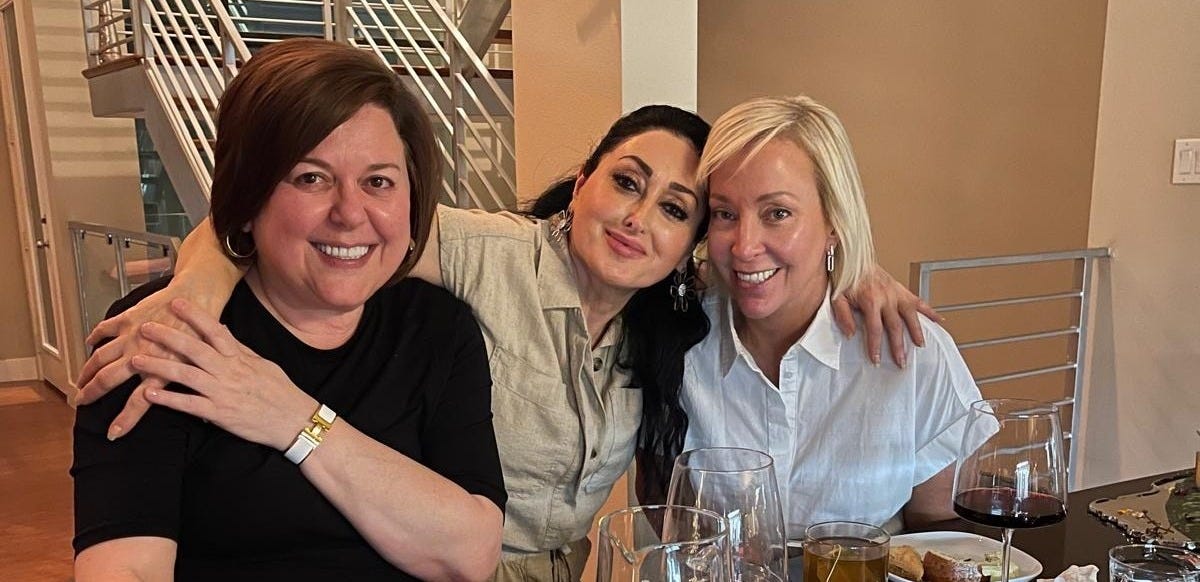
We were at dinner with friends the other night when Judith — who’s never met a question she didn’t want to sharpen — leaned in and asked,
“Don’t you miss community?”
I laughed. I knew it was coming.
Then she added,
“And aren’t you a bit young to retire and become one of those ladies who lunch?”
Ouch.
She said it with a smile, but she wasn’t joking.
What she meant was: What are you doing that still matters?
I gave the polite answer — of course we miss people, but we make new friends everywhere! — while twirling my pasta and pretending it didn’t sting.
But it did. It followed me home, whispering: What are you building now?
It wasn’t judgment — it was perspective.
Judith’s a funeral director; she spends her days helping families find meaning in endings. She knows what lasts.
The Practice
In my old life as a coach and behavioral scientist, I taught that commitment grows through effort — the harder something is, the more we value it. Psychologists call it the IKEA effect: you love what you’ve had to assemble, even if the legs are a little crooked.
Travel works the same way. When you push through jet lag, language gaps, or that one shower with no hot water, you’re not just earning a memory — you’re earning attachment.
Meaning isn’t found; it’s built. One small act at a time.
Sometimes it’s coaching a team. Sometimes it’s helping a stranger.
Sometimes it’s just noticing what’s good when everything feels hard.
Judith wasn’t wrong: community is work.
I’ve just learned the work doesn’t have to happen in one place.
The Ripple Effect
A friend’s daughter once told me why she left for Colombia.
She’d lost her high-school sweetheart in a crash, and with him, her sense of faith and hope. She dropped out before graduation and said, “If I can’t see good, maybe I can do good.”
So she did. She went to Medellín and started working in soup kitchens. No Spanish, no plan — just heartbreak and determination.
“The first time someone thanked me for handing them a bowl of soup I’d made,” she said, “I realized I wasn’t broken anymore. I’d just stopped looking for the good.”
That line stuck with me. Because that’s what travel — and service — can do when you let it. It resets your faith in people.
See good. Do good.
Small acts shift everything — for you, for them, for the air between you.
Goodness travels. And when it does, it multiplies.
Malachi’s Story
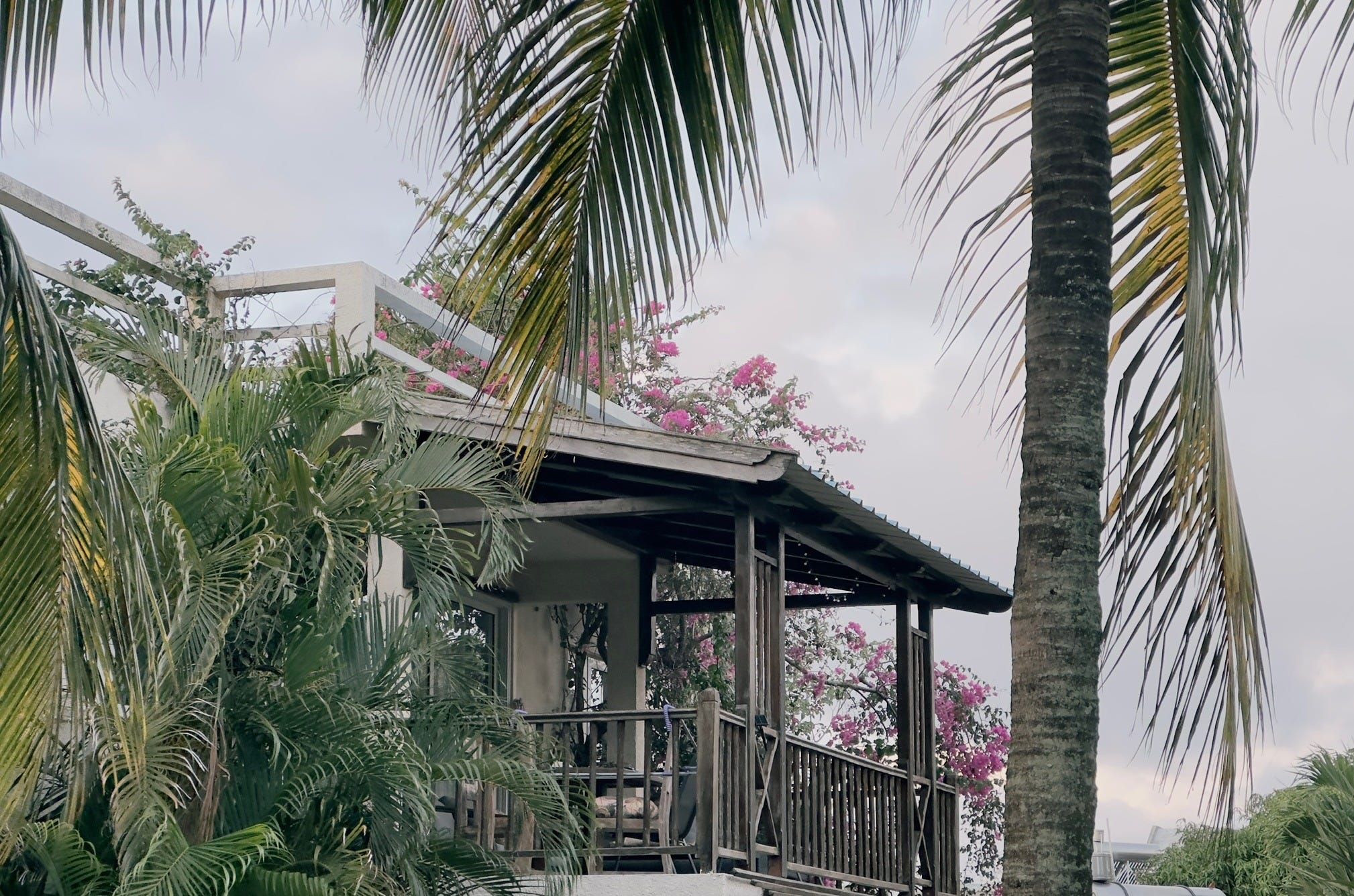
That question about meaning was still in my head a few months later, halfway across the world in Mauritius, when we met Malachi.
He was our Airbnb host — terminally ill, still managing five properties so his grandkids’ education would be secure.
He invited us for coffee, and by the second cup, we were talking business. He wanted us to move in and take over his rentals…so he could finally rest.
We couldn’t commit to island life, but we could help. So we spent our last full day driving around with him — visiting his buildings, reviewing his plans, gently challenging his logic.
He wanted to retire, but was still investing in new projects.
We encouraged him to invest in something else: time.
Time with his grandkids. Time that didn’t have to earn.
We reworked his listings, rewrote his copy, updated his photos — the small, unglamorous stuff that makes things work.
He retired a few months later and moved to England near his grandkids. We still trade messages.
That wasn’t charity. It was connection — the kind that stretches both people.
The Meaning
Behavioral science has a name for this, too: effort justification.
We love what costs us something — time, courage, vulnerability.
Doing good is rarely convenient, but it’s always worth it.
And in the process, it changes both sides.
Locals can feel when you’re there to take versus when you’re there to add.
Maybe that’s what being a high-value visitor really means: leaving something behind that isn’t just money. Locals don’t need more playground tourists — they need people who notice, contribute, and connect.
Judith still believes belonging means staying.
I think it means showing up.
And maybe faith works the same way.
You don’t wait to feel it — you rebuild it, act by act.
If you want meaning, create it.
If you see good, do good.
That’s how the world — and we — stay connected.

Judith would probably still roll her eyes and say, “That sounds exhausting.”
And she’d be right. But exhaustion isn’t the enemy — apathy is.
Belonging isn’t where you are.
It’s what you give, and who you grow with.
And like everything worth having, it takes work.
I’ve just made mine portable.
This closes my three-part series on how travel reshapes us.
From seeing beauty → to embracing difference → to creating meaning through action — each part builds on the last.
If you’ve been reading along, thank you for walking this road with me.
And if you’re new — start at the beginning.
It might just change how you see the world, and your place in it.
Belonging deepens when you give something back. If this piece left you thinking about your own community—or inspired you to see contribution differently—you can keep the words flowing by buying me a coffee (or a glass of wine). -Kelly
“Goodness travels. And when it does, it multiplies.” That line will stick with me!
I loved this piece and this perspective so much. Thank you for sharing!
I needed this today! As my husband and I contemplate this new season I keep wondering how I will find meaning. I love travel, but I crave relationship and knowing that my work is making a difference. How will I find that when we live in each locale so briefly? Thank you for showing me the simplicity of seeing good and doing good.