
The Plan Broke, We Didn't
What a broken Airbnb in Sydney revealed about drift, decision overload, and the quiet discipline that stops it.

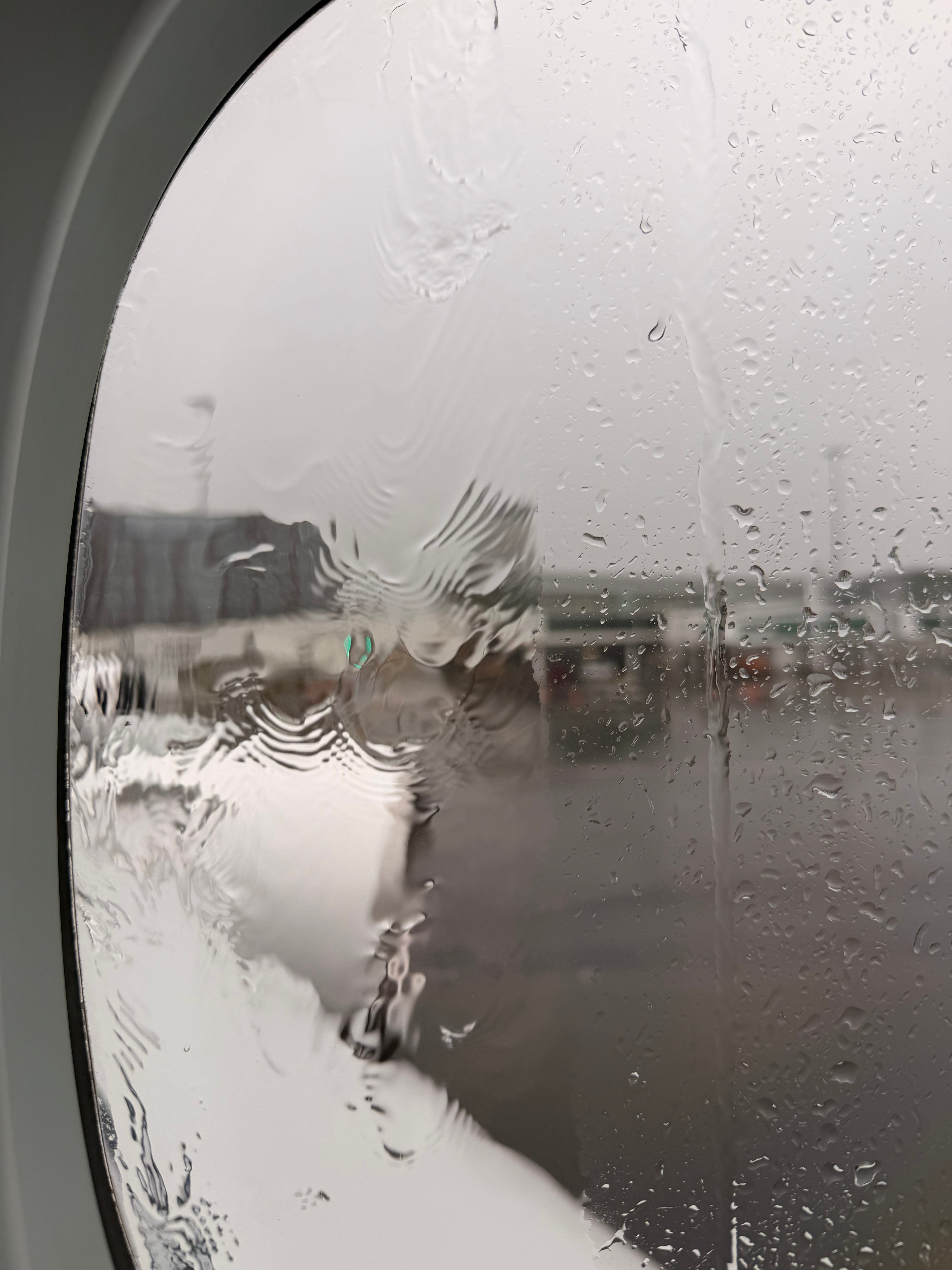
New Zealand cried when we left.
Rain streamed down the airplane window in dramatic sheets, the kind of send-off that makes you believe you’re closing a chapter properly.
What we didn’t know yet was that the next one would fracture in under thirty minutes.
We don’t perform when we travel.
We relocate. Month to month. Country to country. Suitcases as infrastructure, not props.
Which is why what happened when we landed in Sydney mattered more than a bad Airbnb.
It threatened the structure we had designed to hold the entire season.
The Fracture
The Surry Hills house wasn’t catastrophic.
It was tolerable — which is often worse.
The chair was taped together. The couch sagged. The wardrobe smelled off.
None of it was dramatic.
Which made it more dangerous.
We didn’t unpack.
That detail matters. Unpacking is a signal to your nervous system that the negotiation is over and the base will hold. Something in my body refused to authorize that signal.
And in that moment the question wasn’t really about the chair.
It was about the fork in the road.
We could normalize it — tell ourselves it was temporary, manageable, good enough for now.
Or we could admit something simpler: the base was wrong.
And if the base is wrong, everything built on top of it gets heavier.
The Moment Before Drift
There’s a precise psychological beat in experiences like this.
Self-doubt arrives before clarity. Are we overreacting? Are we being difficult? It’s discounted — maybe this is fine?
But long stays magnify small compromises. What feels manageable for two nights becomes structural erosion over twenty-seven.
We had just written about the cost of tolerating the wrong base.
And here we were — thirty minutes into deciding whether to do exactly that.
Drift doesn’t begin with collapse.
It begins with tolerance.
The Preservation Move
So we stepped back.
We booked a hotel as an emergency landing pad. We documented everything immediately — photos, notes, timestamps — and communicated calmly.
Then we made the decision that preserved the month.
We didn’t scramble to replace the Airbnb.
We left the city.

The only rental car available was a Hilux ute.
We took it and drove toward the Blue Mountains.
There’s a long tunnel on the way to Leura. Inside it everything felt compressed — reactive, narrowed, defensive. Decision-making inside pressure has that effect — the system contracts.
When we emerged, sunlight flooded the windshield and the landscape opened in front of us.
The exhale was immediate.
Not because the problem was solved.
Because escalation had paused.
Windows down. Cooler air. Space.
We weren’t conquering the disruption.
We were stabilizing before compounding it.
Stabilize Before Solving

We didn’t go to the mountains for perspective.
We went to stop making decisions.
Early lookouts before the buses. Partial walks instead of completion badges. Long café mornings in Leura with no agenda except steadiness.
One unscheduled day that cost us nothing and protected the frame.
The landscape helped, but the discipline was ours.
We reduced decision load before adding more decisions.
That single move prevented drift from taking root.
What This Actually Revealed
Slow travel isn’t romantic.
It’s architectural.
It requires flexibility capital — financial, emotional, logistical — not simply to absorb disruption, but to prevent small fractures from becoming systemic instability.
The real luxury wasn’t the harbor base we eventually secured.
It was refusing to renegotiate our standards under pressure.
Luxury isn’t marble countertops.
It’s not having to renegotiate your standards every morning.
Most people think drift comes from big mistakes.
In reality, it comes from small compromises repeated long enough to feel normal.
In Sydney, we almost paid for that negotiation.
The most expensive decisions aren’t the bold ones.
They’re the ones you make by default when you’re tired of choosing.
You skip calibration. You normalize friction. You absorb misalignment because you can.
Capable people rarely collapse.
They compensate.
And compensation, repeated often enough, becomes identity.
That’s how drift wins.
Documentation Is Reinforcement
We ultimately secured a full refund on the original reservation, partial reimbursement for the emergency hotel, and a clean cancellation.
Not because we escalated emotionally.
Because we documented immediately and stayed steady long enough for the system to respond.
Calm isn’t personality.
It’s reinforcement.
It’s refusing to stack reactive decisions on top of unstable ones.
The Guardrail
The Decision Compass wasn’t built to optimize travel.
It was built to prevent quiet compensation.
To test whether something will preserve structure before you’re living inside it. To measure decision load before it compounds. To surface friction before it normalizes into “fine.”
Paid subscribers get the operational layer beneath these stories — the exact documentation sequence we used in Sydney, the exposure audit we run before committing to a base, and the renegotiation threshold that tells us when tolerance is quietly becoming drift.
Because prevention is always cheaper than repair.
If you want the architecture beneath the story, that’s where it lives.
The Frame That Holds
The month didn’t go according to plan.
It fractured.
But it held.
Three chapters instead of one — city, forest, harbor — each reinforcing the other rather than competing with it.
The plan broke.
We didn’t.
And that distinction matters more than the refund, the relocation, or the view. Because preservation isn’t only logistical — it’s relational. It’s the quiet discipline of two people choosing coordination over escalation when pressure rises.
The goal isn’t a flawless season.
It’s a structure that can absorb disruption without collapsing your standards, your steadiness, or your sense of who you are inside it.
If you’re building a life that has to endure reinvention — not just perform it — fewer decisions aren’t indulgent.
They’re protective.
Protection rarely looks glamorous.
But it’s what allows growth to last.
The next piece goes backstage.
💛 Kelly
This piece is free, so please share it with someone who’s navigating a season of change.
The 'reduce decision load before adding more decisions' insight is essential for anyone managing visa timelines and constantly shifting regulations across countries. But, sometimes, expat life forces reactive decisions regardless of our preference for calm deliberation. Any advice on balancing this stabilization approach when external deadlines (visa expirations, lease terms, etc.) don't allow a pause?
Really enjoyed your story. Reminded me of our last trip to Finland (where my wife is from). We were constantly misplacing little precious things, hopping around from place to place. Raili lost a sock hee hee. https://liveyosemite.wordpress.com/2023/06/14/summer-trip-to-finland/